The Nexus of Global Maritime Trade

Analyzing the infrastructure, development, and strategic operations of the Port of Singapore — the world's busiest transshipment hub.

Terminal & Strategy Index

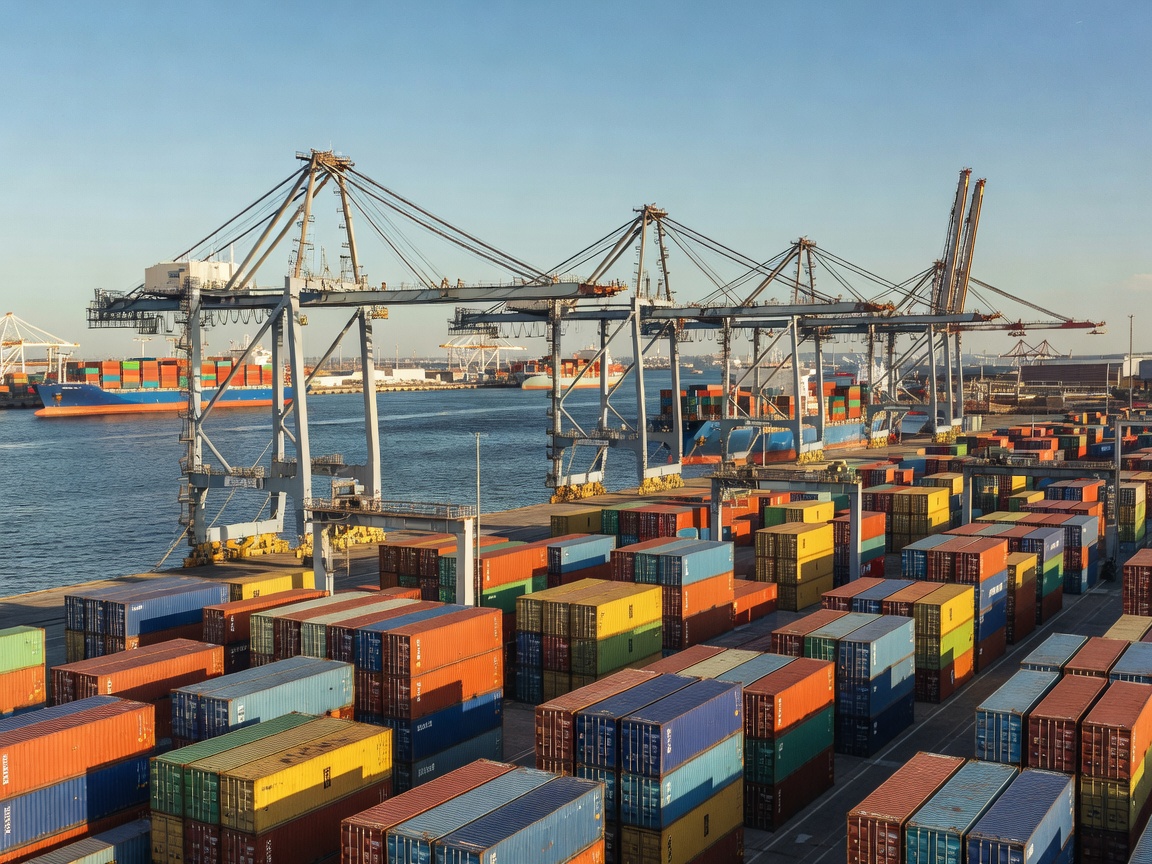
View of industrial port cranes and shipping containers at a modern terminal
Primary Function Transshipment
Max Draft 16.0m

Pasir Panjang Terminal Operations

An in-depth look at the current backbone of Singapore's container handling, detailing its phased expansion and technological integration before the full shift to Tuas.

Read Analysis
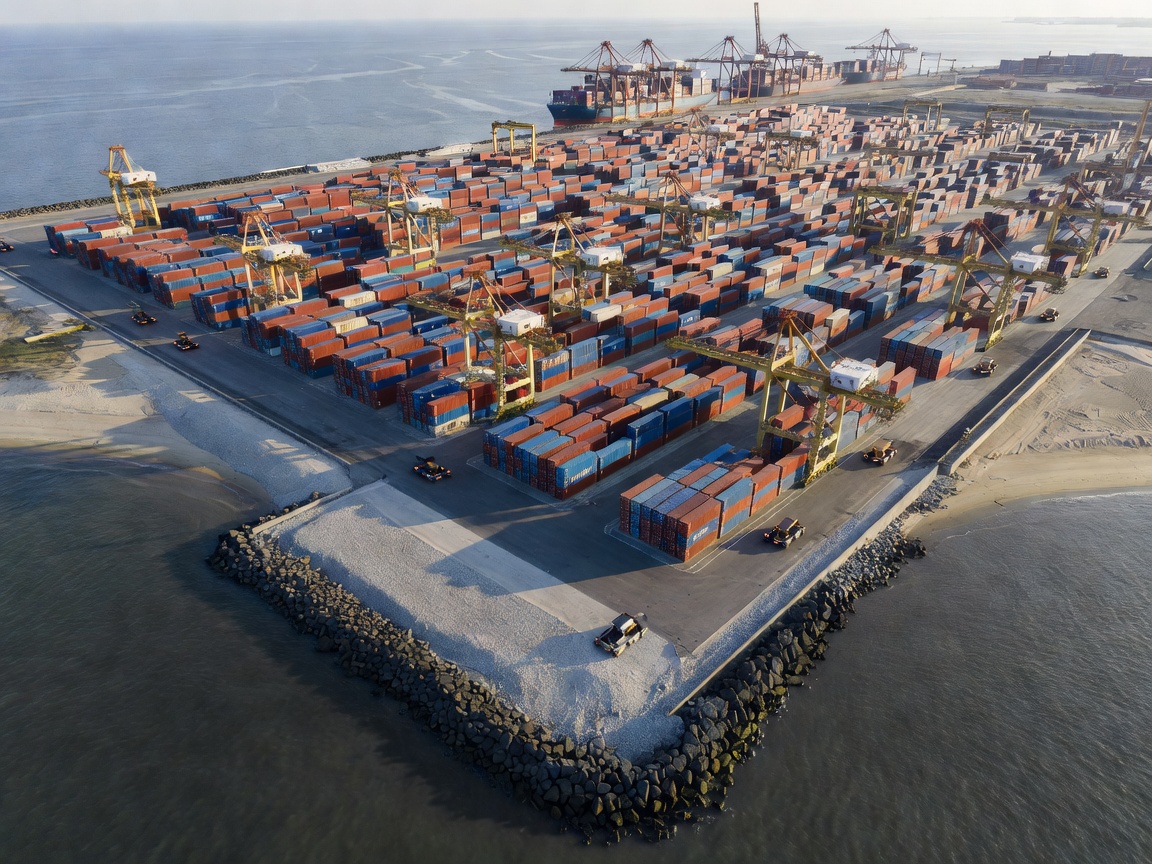

Aerial conceptual view of massive port land reclamation and automated yard layout
Target Capacity 65M TEU
Completion Target 2040s

The Tuas Megaport Project

Examining the engineering, consolidation strategy, and automation framework behind the world's largest fully automated container terminal currently under construction.

Read Analysis
Heavy machinery loading steel pipes and bulk materials onto a cargo vessel
Cargo Focus Multi-purpose
Key Commodity Cement & Steel

Jurong Port: Beyond Containers

Understanding the vital role of Jurong Port in handling bulk, breakbulk, and industrial cargo, serving as a critical node for Singapore's construction and manufacturing sectors.

Read Analysis
Abstract visualization of data streams connecting cargo ships to a digital network
Key System digitalPORT@SG™
Core Objective JIT Arrival

Maritime Technology & Digitalisation

A breakdown of the data infrastructure and digital clearing systems implemented by the Maritime and Port Authority of Singapore to optimize vessel turnaround times.

Read Analysis
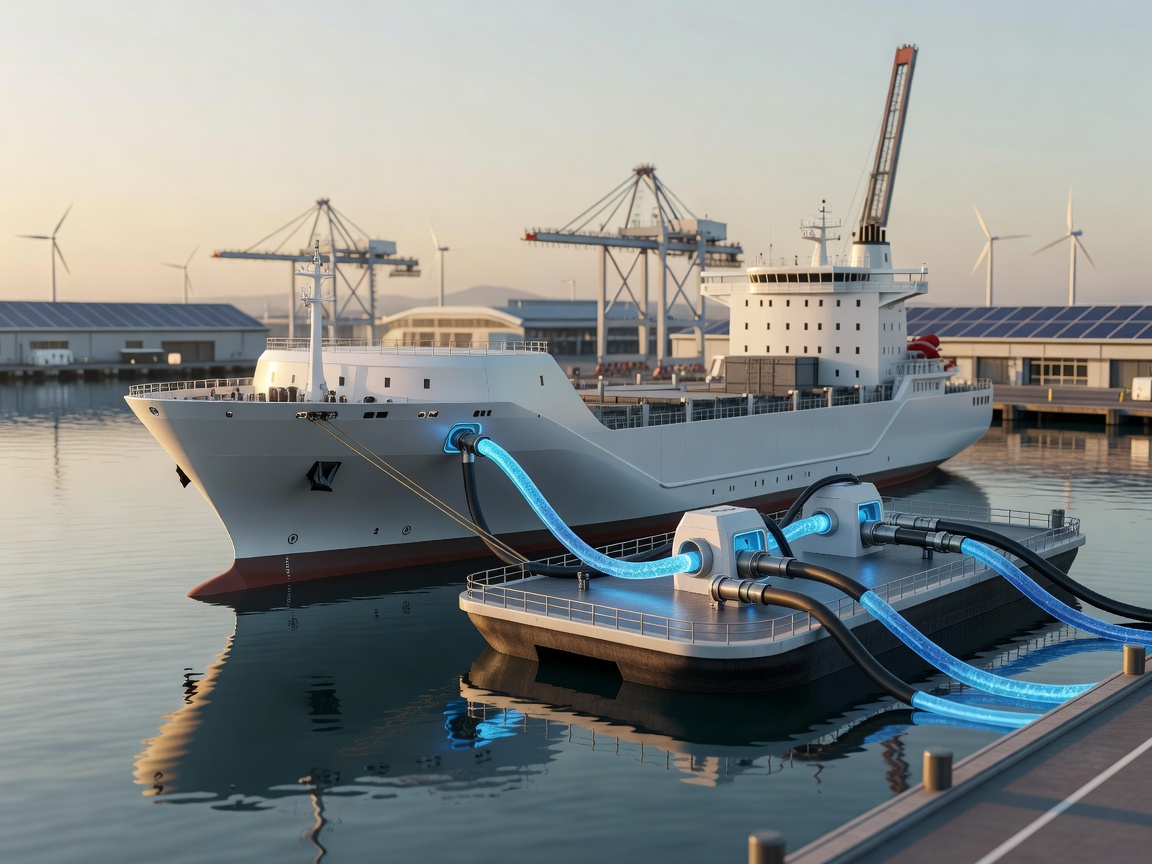
A modern vessel being refueled with clean energy sources via bunker barge
Emissions Goal Net Zero 2050
Future Fuel Methanol/Ammonia

Green Port Sustainability Initiatives

Evaluating the transition to multi-fuel bunkering, the electrification of port equipment, and the overarching Maritime Singapore Decarbonisation Blueprint.

Read Analysis

Strategic Governance

The Port of Singapore's success is underpinned by a dual-pillar structure. The Maritime and Port Authority of Singapore (MPA) acts as the regulatory body and port planner, ensuring navigational safety, driving digitalisation, and setting sustainability standards.

Meanwhile, commercial operations are driven by entities like PSA International (handling containerised cargo) and Jurong Port (managing bulk and conventional cargo). This separation of regulatory oversight and commercial enterprise allows for both stringent safety standards and aggressive global competitiveness.

Global Connectivity

Singapore connects to over 600 ports in more than 120 countries. Its geographical location at the crossroads of major shipping lanes—specifically the Malacca Strait—makes it the definitive transshipment hub of the East.

Vessels rely on Singapore not just for cargo transfer, but for comprehensive maritime services including bunkering (refueling), ship repair, marine insurance, and maritime arbitration, creating a holistic ecosystem that extends far beyond the physical docks.