Green Port Sustainability Initiatives
Detailing the Maritime Singapore Decarbonisation Blueprint, the shift to multi-fuel bunkering, and the electrification of terminal operations.
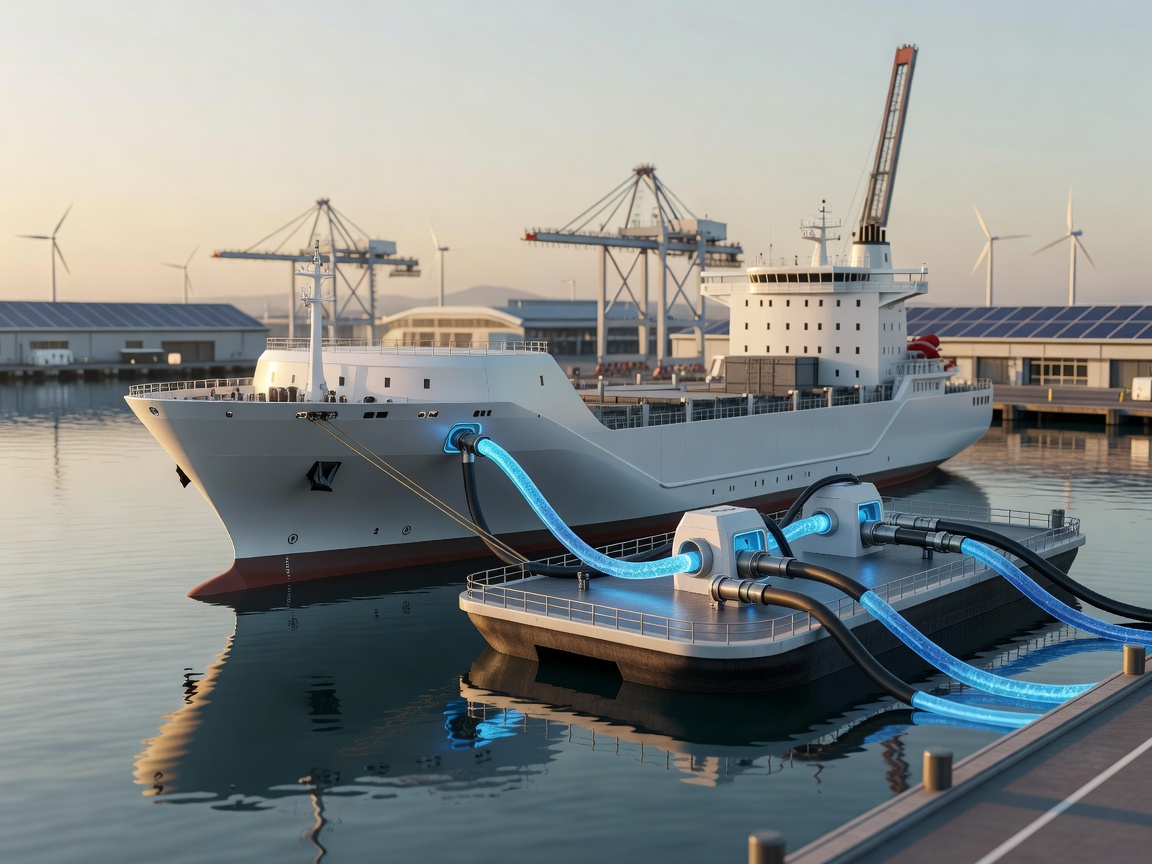
The Maritime Decarbonisation Blueprint
The global shipping industry is under intense pressure to reduce greenhouse gas emissions, guided by targets set by the International Maritime Organization (IMO). As the world's premier transshipment and bunkering hub, the Port of Singapore plays a disproportionately large role in facilitating this transition. The Maritime and Port Authority of Singapore (MPA) has established a comprehensive Decarbonisation Blueprint, committing domestic harbor craft and terminal operations to achieve net-zero emissions by 2050.
This strategy addresses both the emissions generated by the port's internal operations and the infrastructure required to support greener international shipping fleets.
The Multi-Fuel Bunkering Hub
Singapore is historically the top bunkering (ship refueling) port globally, traditionally supplying heavy fuel oil and marine gas oil. The transition to a sustainable future means adapting this infrastructure to handle a complex mix of alternative, low-carbon, and zero-carbon fuels. Singapore is positioning itself as a multi-fuel hub.
| Alternative Fuel | Status / Implementation in Singapore |
|---|---|
| Liquefied Natural Gas (LNG) | Commercially operational. Singapore has established licensing for LNG bunker suppliers and operates dedicated LNG bunker vessels, serving as a transition fuel. |
| Biofuels | Increasingly adopted as a "drop-in" fuel blended with traditional oils. The port has developed provisional standards for biofuel bunkering. |
| Methanol | Gaining rapid traction. Singapore conducted its first ship-to-ship methanol bunkering operations, preparing for the influx of methanol-capable container ships. |
| Ammonia / Hydrogen | In the pilot and feasibility stage. These represent the long-term zero-carbon goal, requiring stringent safety protocols due to toxicity and storage requirements. |
Electrification of Terminal Operations
On the landward side, the focus is on eliminating diesel combustion from cargo handling. At terminals like Pasir Panjang and the new Tuas Megaport, the shift to electric equipment is nearly absolute.
Automated Rail Mounted Gantry (aRMG) cranes and Automated Guided Vehicles (AGVs) run entirely on electricity. To support this massive energy demand sustainably, terminal operators are maximizing the installation of photovoltaic solar panels on warehouse roofs and terminal buildings. The goal is to create a closed-loop energy system where a significant portion of the terminal's power is generated on-site from renewable sources.
Electrifying the Harbor Craft Fleet
Beyond the terminals and international vessels, Singapore's port waters are busy with hundreds of domestic harbor craft—tugboats, ferries, bunker barges, and lighter craft. The MPA has mandated that from 2030, all new harbor craft must be fully electric, be capable of using B100 biofuels, or be compatible with net-zero fuels like hydrogen.
To support electric harbor craft, the port is developing a network of shore charging infrastructure. This involves standardizing charging protocols and ensuring sufficient grid capacity at strategic piers and anchorages, a complex logistical challenge given the varied operational profiles of the harbor fleet.